Weekly Attendance Winners 5HM

Sea View Primary School
Children
The Haven
Welcome to the Haven
Rationale –
We recognise that all children have a vast set of strengths, traits, differences and needs. We understand that every child does not travel down the same developmental pathway. We believe our early education system must prepare us to empower and embrace children with lifelong differences.
“The language of inclusion is changing, and we are repositioning children with special educational needs from problems back to learners”
Heiskanan et al., 2018
Intent –
“We have to stop assuming that every child is travelling down the same developmental pathway”
Kerry Murphy, 2022
We aim to provide a curriculum model which embraces the children’s holistic profile of development and commits to the idea that every child is unique, diverse, competent and valuable. Support is child led and focused on affirming neurodivergent traits and ways of being. The child is not expected to mask or change who they are in order to fit in. Our curriculum is based upon a celebratory model, following the children’s interests, strengths, traits, needs and differences.
We understand the importance of self-regulation to enable children to access provision, it is only by being regulated by a caregiver/educator that a young child learns mindful ways of self-regulating. Without, self-regulation, children struggle to form relationships, communicate reciprocally, succeed at school and thrive personally. More relational approaches to understanding and supporting behaviour are adopted.
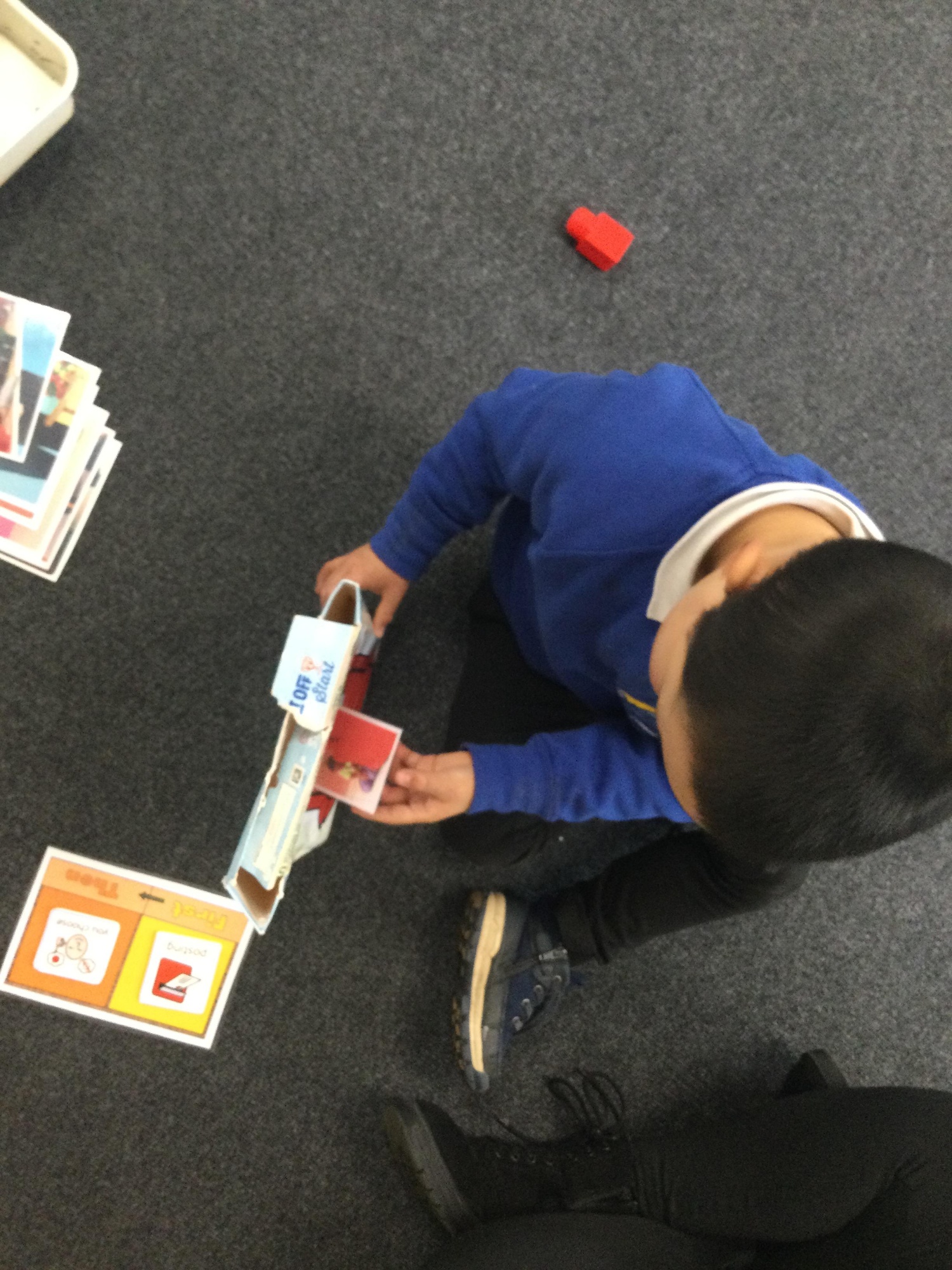
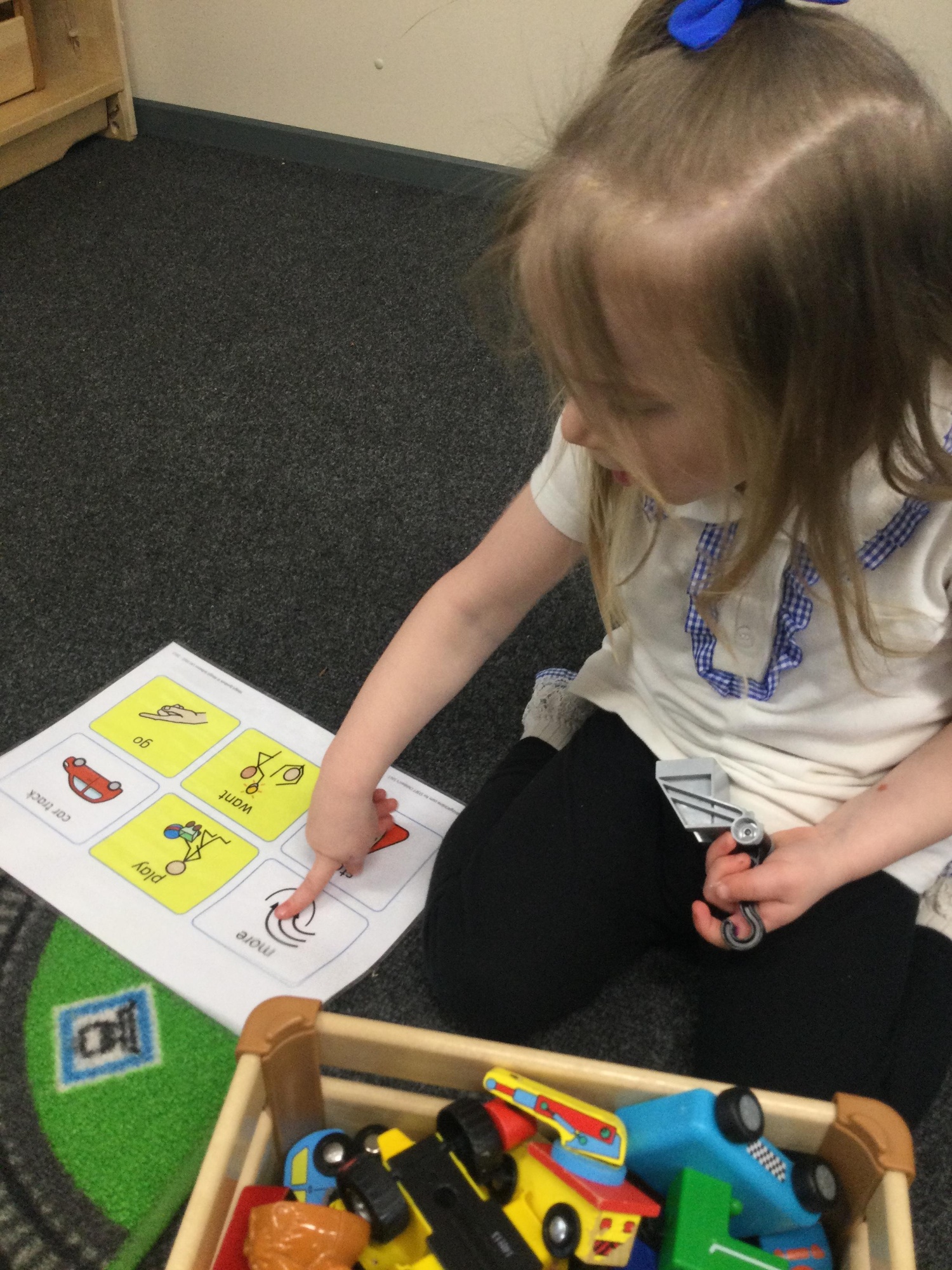
The Hub has a total communication approach where all forms of communication are used to help with understanding, attention, social skills and more.
We are committed to collaborating and connecting with parents to form respectful and meaningful relationships as we understand they are a critical part of a child’s developmental journey.
Implementation -
Our provision is based on the celebratory framework.
A celebratory model –
Interests – We follow a curriculum which is child-led and play-based. We tune in to the child’s interests, motivations, repetitions and fascinations.
Strengths – We recognise that all children have unique strengths and we ensure these are acknowledged and celebrated.
Traits – We recognise that children have individual traits, these differences are not problems.
Differences – We recognise that some children have delays in learning and development but this could be attributed to a lifelong difference – for example, autism.
Needs – All children have individual needs that will need support, scaffolding and adaptive practices.
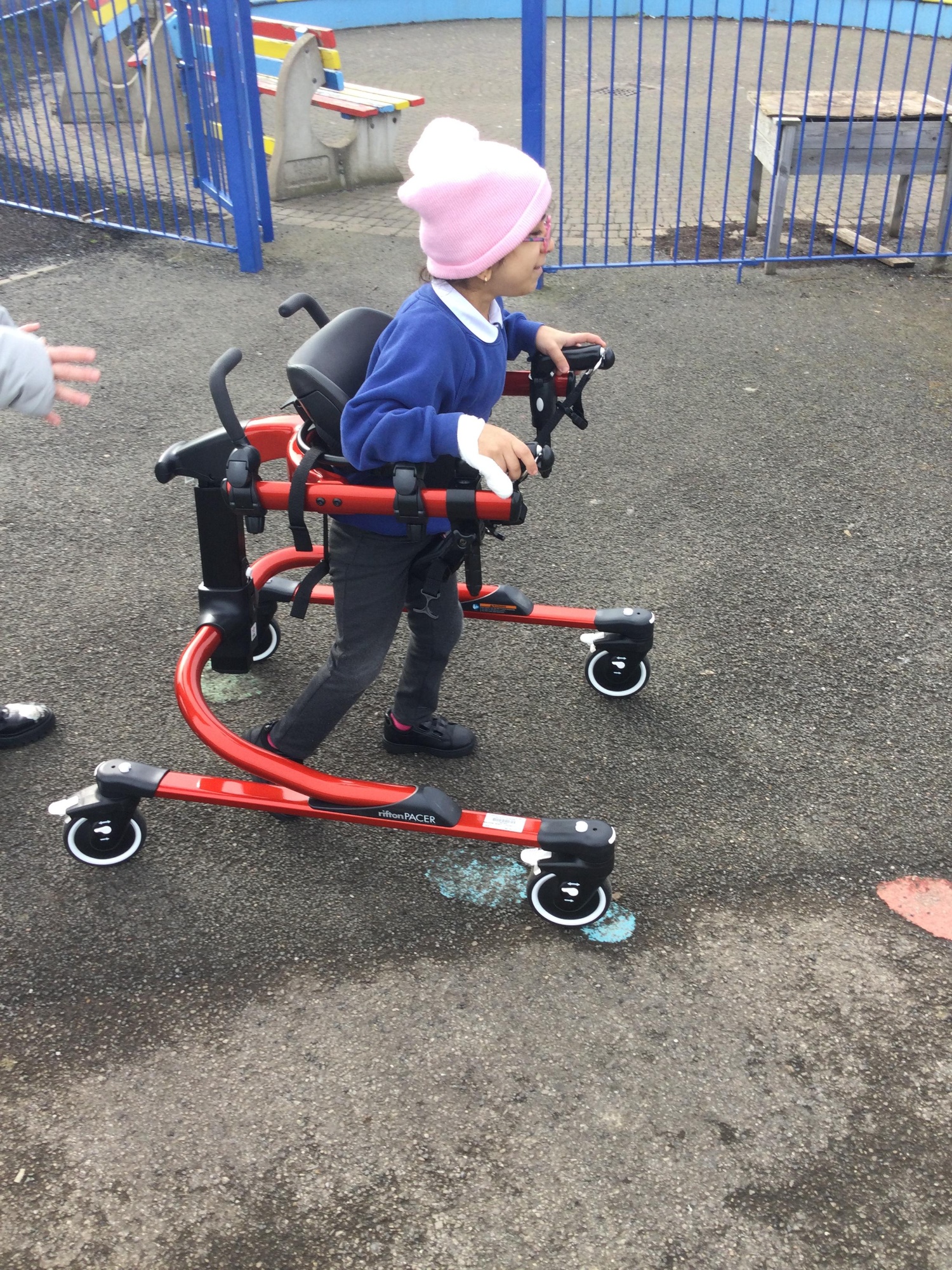
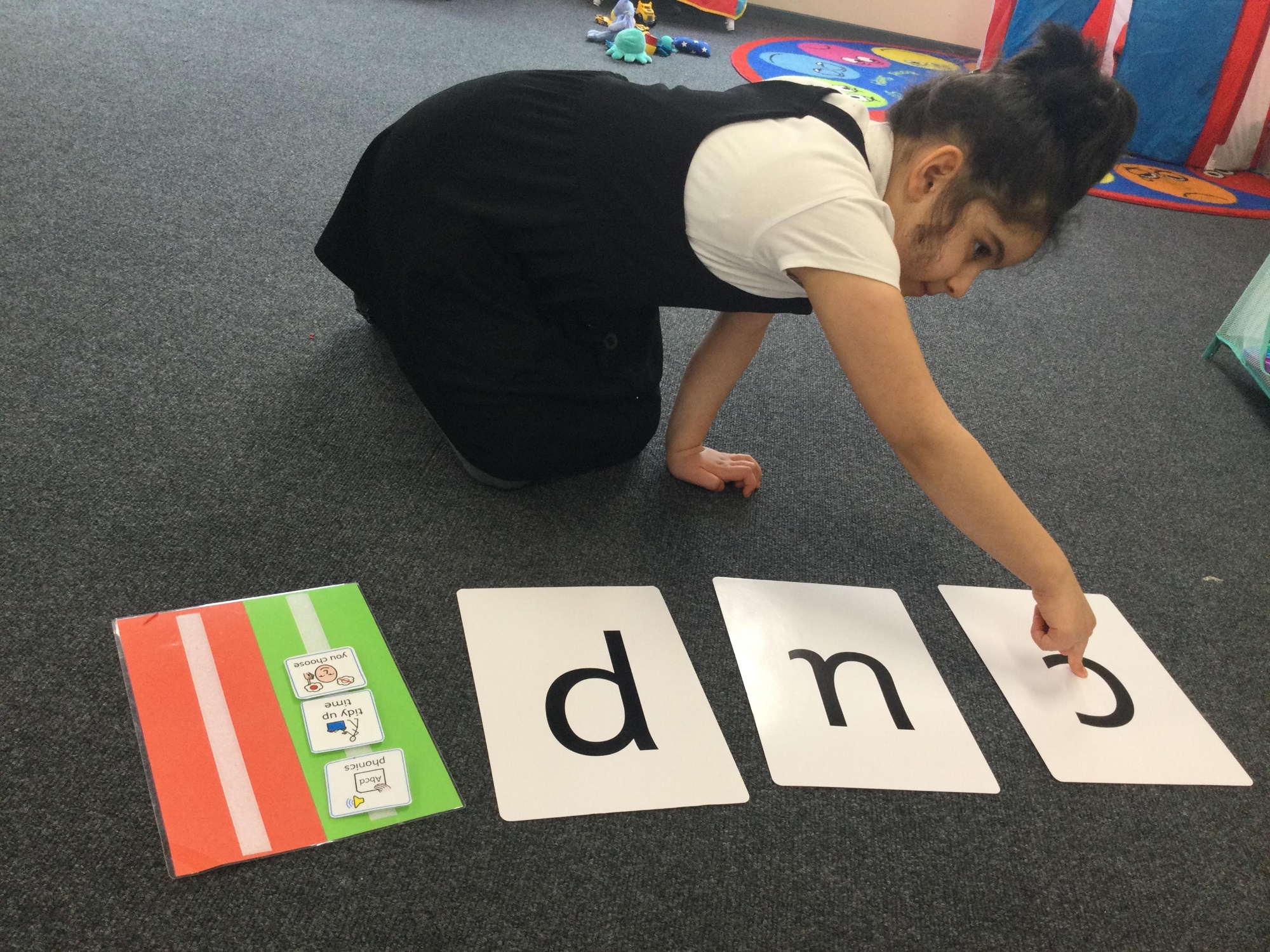
Our provision acknowledges that children have social differences and can communicate and interact in a variety of ways. We use visual supports and sensory equipment in all areas of learning and play to aid self-regulation and to produce an inclusive environment.
It allows opportunities for diverse play and special interests (Spins) and understands all children have their own communication identity. It also recognises and is adapted to take into consideration the diverse sensory profiles the children may have.
All pupils access an individual timetable based on their strengths and needs and have access to interventions for social and emotional development, fine and gross motor skills plus speech and language.
Interventions and programmes, if used, are flexible and honour and affirm difference.
To gain a greater understanding of the child’s holistic needs the staff have attended the following training:
- Colourful Semantics
- Pecs
- Launchpad for literacy
- Makaton
- ELKLAN
- Sensoryworx Twilight
- Making sense of Autism
- PDA
We have also liaised with the following external agencies to support our Hub model:
- Educational Psychologist
- OT
- Sensoryworx
- Speech therapists
- Portage and Preschool service
Impact –
“Neurodiversity offers us an opportunity to expand our thinking about development and to embrace the fact that we are all different, and in different ways. Once we begin to do this, only then can we change the landscape of inclusion in the early years”
Anna Freud, 2023
Outcome measures focus on autonomy, self-advocacy, engagement, the promotion of self-regulation, well- being and belonging. We aim to enable pupils to become more able to regulate or manage their thoughts, feelings and behaviours with increasing independence.
This is evidenced through pupil engagement, the use of floor books, observations, provision maps, ISP/EHCP reviews.